
Effective staging plays a crucial role in attracting potential buyers when selling your home. In today’s market, where remote work and flexible living arrangements have become the norm, showcasing a functional home office can significantly increase your home’s appeal. This article provides comprehensive staging strategies to help you highlight the flexibility of your home office space, ensuring it resonates with a broad range of buyers.
Neutral Yet Inviting Decor
Create Universal Appeal:
The first step in staging a home office is to create a space that feels welcoming to all potential buyers. Using neutral colors like beige, gray, or soft whites can help achieve this goal. Neutral tones serve as a versatile backdrop that allows buyers to envision their decor and style in the space. This broad appeal is key when staging any room, but it is especially important in a home office, where a clean and straightforward design can enhance productivity and calm.
Add Simple, Inviting Elements:
While keeping the decor neutral is essential, adding simple, inviting elements can make the space feel more homey and welcoming. Consider placing a potted plant on the desk or a side table to bring a touch of nature indoors. A tasteful piece of artwork can add personality without overwhelming the room. Additionally, a stylish rug can help define the space and add a layer of warmth and comfort, making the room feel more inviting to potential buyers.

Highlight Natural Light and Open Spaces
Maximize Light:
Natural light is a highly desirable feature in any room, and a home office is no exception. Arrange furniture to make the most of the room’s natural light. Positioning the desk near a window can enhance the room’s brightness and create an inviting environment conducive to work. If natural light is limited, consider using mirrors strategically to reflect light and make the space appear larger and brighter. A well-lit room feels more open and energizing, which can be a strong selling point.
Avoid Clutter:
A clutter-free environment is essential when staging a home office. Too much furniture or decor can make a space feel cramped and chaotic. Keep the office tidy and free of unnecessary items to create a sense of openness and versatility. A clean, open room looks larger and allows potential buyers to envision how they might use the space. Ensure that personal items are kept to a minimum so that the focus remains on the room’s potential rather than the current occupant’s preferences.
Demonstrate Flexibility with Multi-Purpose Furniture
Show Multi-Functionality:
In today’s market, buyers seek spaces that can serve multiple purposes. Consider staging your home office with versatile furniture that can adapt to different needs. A fold-away desk, for example, can quickly transform the room from an office into a guest room or hobby space. A bookshelf that doubles as a room divider can help define different areas within the same room, showcasing the space’s potential to serve multiple functions. This versatility particularly appeals to buyers looking for flexible living spaces that adapt to their changing needs.
Incorporate Smart Storage Solutions:
Highlighting intelligent storage solutions is another effective way to demonstrate your home office’s flexibility. Built-in shelving or under-desk storage can keep the space organized and clutter-free, making it easier for potential buyers to envision how they might use the room. Showing buyers how to maintain a tidy and functional space with minimal effort can be a powerful selling point, especially for those working from home or using the room for multiple purposes.
Showcase Different Configurations During Virtual Tours or Open Houses
Virtual Staging for Versatility:
With the rise of digital tools and virtual home tours, it’s easier than ever to showcase multiple configurations of the same space. Use virtual staging tools to demonstrate how the home office can serve different functions. For instance, you could show the room as a traditional office, then switch to a configuration with a reading nook or a children’s study area. This flexibility allows buyers to visualize how to use the space, increasing its appeal.
Live Demonstrations:
If you’re hosting an open house, consider setting up the room differently throughout the event. Start with the room staged as a home office, then rearrange it to showcase it as a guest room or a small gym. This live demonstration of the room’s adaptability can inspire buyers and help them see the space’s full potential. To further enhance the presentation, consider hiring a professional real estate photographer. A skilled photographer can capture the room’s best features and create high-quality images highlighting its flexibility and appeal. These photos can be used in your marketing materials to attract more interest and show potential buyers the versatility of the space.
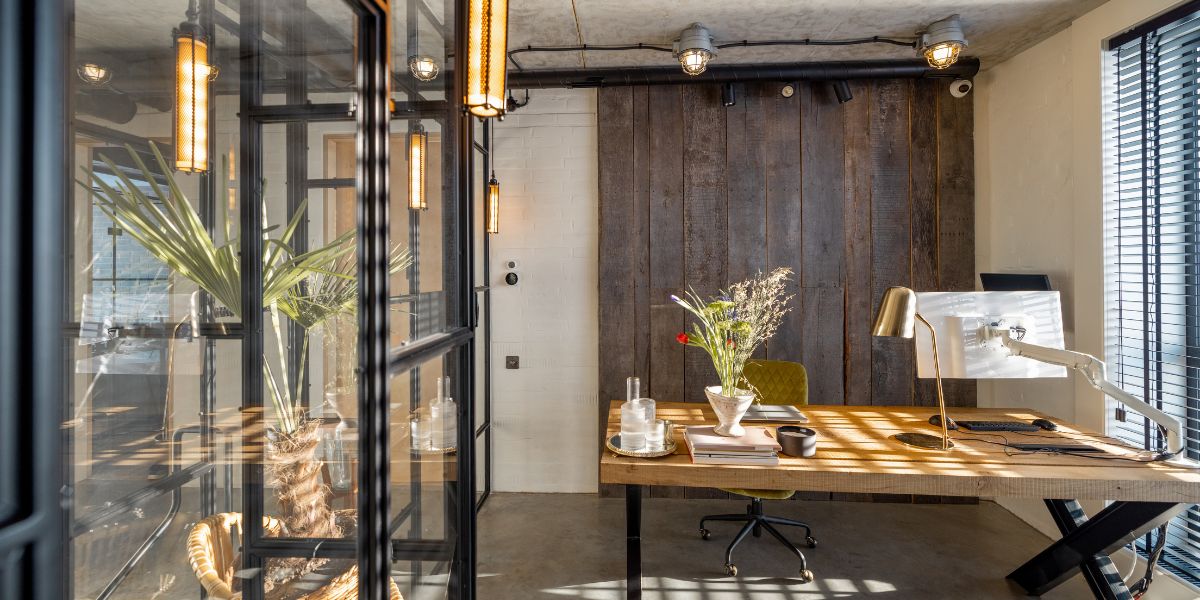
Emphasize Technology and Modern Features
Highlight Tech-Friendly Features:
In a world where technology plays a significant role in daily life, staging a home office with tech-friendly amenities can significantly enhance its appeal. Consider including a surge-protected power strip, USB outlets, or a smart speaker. These modern touches make the space more functional and appeal to tech-savvy buyers looking for a ready-to-use home office. Highlighting these features can set your home apart from others on the market.
Secure, Quiet Environment:
For buyers who work remotely or need a quiet place to study or take calls, a secure and quiet environment is a significant selling point. If your home office is soundproofed or away from high-traffic areas, highlight this feature. A room that offers privacy and minimal distractions is ideal for productivity and focus, making it an attractive option for many buyers.
Outdoor Workspaces as an Extension of the Home Office
Highlight Outdoor Options:
If your property includes a patio, balcony, or other outdoor spaces, consider staging these areas as extensions of the home office. Set up a small table and chairs to suggest an outdoor work option. This can particularly appeal to buyers who enjoy working outside or need a change of scenery throughout the day. By showcasing these outdoor workspaces, you’re highlighting the flexibility of the home and its potential to accommodate various work and leisure activities.
Connectivity Features:
Ensure that outdoor spaces have strong Wi-Fi coverage; mention this in your marketing materials. Good connectivity is crucial for those who use these spaces for work, and it demonstrates that every part of the home, inside and out, is ready for work and leisure. This can be a unique selling point, especially in a market where remote work is becoming increasingly common.
Highlighting Potential for Easy Modifications
Discuss Modifications During Tours:
During virtual tours or open houses, take the opportunity to discuss the potential for easy modifications to the space. For example, mention how adding a sliding door could provide additional privacy or how the room could easily be converted into a different type of space, such as a nursery or a home gym. This helps buyers see the flexibility and future potential of the home, making it more appealing to those looking for a property that can adapt to their evolving needs.
Conclusion
Combining these staging tips with a focus on showcasing the flexibility and adaptability of spaces allows you to make your home more appealing to a broad range of buyers. Highlighting how a home office can transform into various functional spaces attracts more interest and helps potential buyers see the total value of your home. Remember, a well-staged home office is not just about creating a workspace—it’s about showcasing a versatile, adaptable space that meets the needs of modern buyers.
FAQs
1. Why is staging a home office important when selling a house?
Staging a home office is important because it helps potential buyers envision how to use the space, especially in a market where remote work is standard. A well-staged office adds value by showcasing a functional, versatile room that can serve multiple purposes.
2. What are the best colors for staging a home office?
Neutral colors such as beige, gray, and soft whites are best for staging a home office. These colors create a clean, open feel and serve as a blank canvas, allowing buyers to imagine their decor in the space.
3. How can I make a small home office appear larger?
To make a small home office appear larger, maximize natural light by arranging furniture strategically, use mirrors to reflect light, and keep the space clutter-free. Choosing light, neutral colors for walls and decor can also make the room feel more spacious.
4. What furniture is ideal for a flexible home office setup?
Versatile furniture, such as fold-away desks, bookshelves that double as room dividers, and furniture with built-in storage solutions, is ideal for a flexible home office setup. These pieces can easily adapt to different uses and help keep the space organized.
5. How can technology enhance the appeal of a home office space?
Incorporating tech-friendly features like USB outlets, smart speakers, and surge-protected power strips can enhance the appeal of a home office space. These modern amenities make the office more functional and attract tech-savvy buyers looking for a move-in-ready workspace.